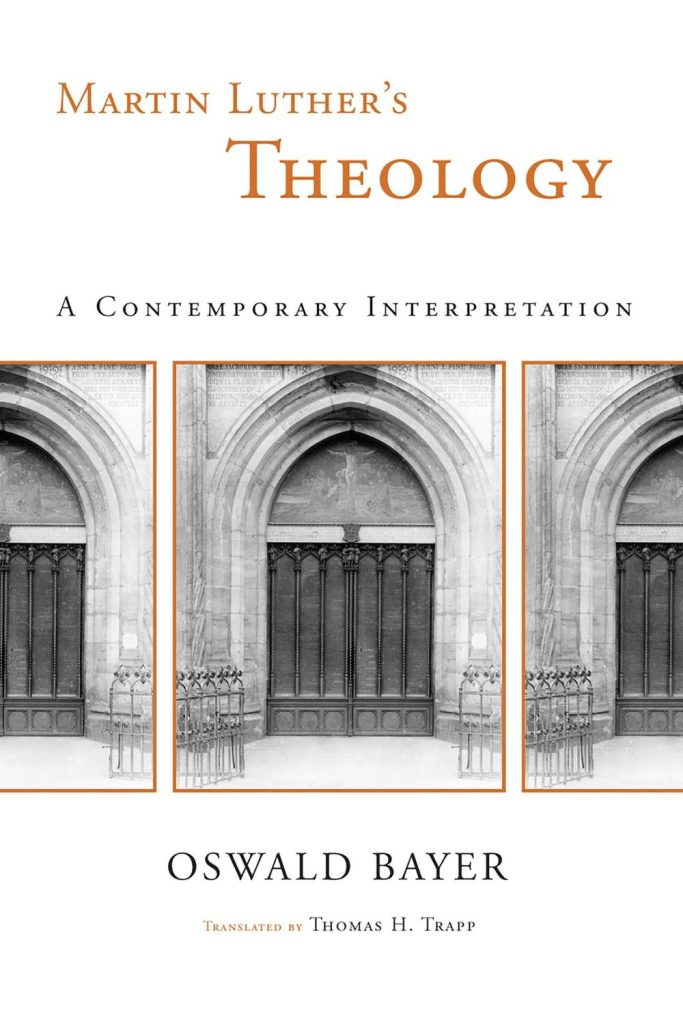
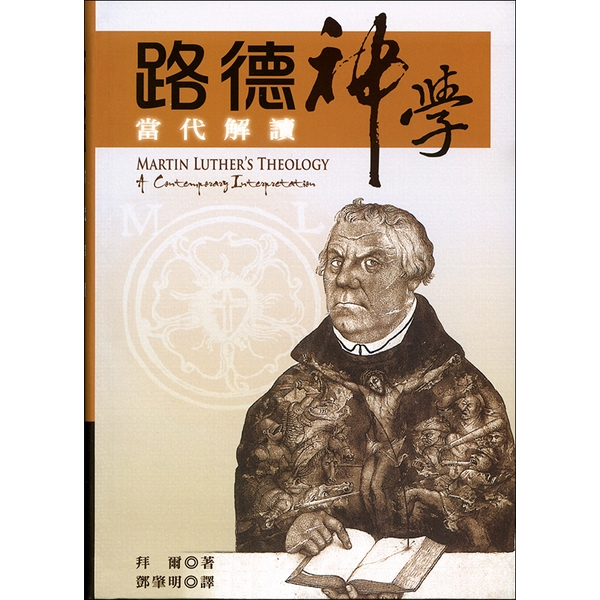
「路德神學當代解讀」
作者: 拜爾
譯者:鄧肇明
出版社: 道聲
Martin Luther’s Theology: A Contemporary Interpretation
Author: Oswald Bayer
Translator: Zhao Ming Deng
Publisher: Taosheng
「路德神學當代解讀」
毫無疑問,路德是一位歷史性的人物,他的確是一位偉人,但他自己卻不以為然,並且拒絕他的追隨者以他自己的名字來稱呼他們自己。他的事奉全然建立在上帝的話語上。宗教改革帶來於文化、經濟、社會和政治領域中的全球性影響,是出自一個真正的神學上的根源;從聆聽上帝的話語而來的「信心」。對於路德來說,上帝的話語不是指一種律法式的要求說:「我們應該做些甚麼」-與此有天壤之別-上帝的話語是呼籲並告知我們:「甚麼是上帝給予我們和甚麼是上帝寬恕我們的,與及我們藉著上帝的旨意和拯救成為了何等樣的人」:被稱義的罪人。我很高興這本書現在可以供中文讀者閱讀和使用。盼望這書如一個「當下化過程」,得以提供讀者及改革者一個關乎共同信仰的真理的可聽性和批判性對話平台!
Martin Luther’s Theology: A Contemporary Interpretation
Undoubtedly, Luther was a historical figure, a truly great man, yet he himself was unimpressed and refused to allow his followers to call themselves by his name. His ministry was entirely based on the Word of God. The global impact of the Reformation in the cultural, economic, social, and political spheres stemmed from a truly theological root: “faith” derived from listening to the Word of God. For Luther, the Word of God was not a legalistic demand saying, “We should do this or that”—far from it—but rather a call to action, informing us: “What God has given us and what God has forgiven us, and what kind of people we have become through God’s will and salvation”: justified sinners. I am delighted that this book is now available to Chinese readers. I hope that this book, as a “contemporary process,” will provide readers and reformers with an audible and critical dialogue platform regarding the truth of our shared faith!
目錄 Table of Contents
作者序
譯者序
前言
導論 時代斷裂
第一節 新舊永世
第二節 蔑視邪惡
第三節 釘十架者與十架之言
第四節 個人生平與世界歷史
第五節 末世與生之勇氣
第六節 隱藏與敞露的上帝
第一章 每個人都是神學家:路德的神學觀
第一節 神學家是甚麼?
第一節之一 聖靈的恩賜(gratia Spiritus)
第一節之二 憂虞(tentatio)
第一節之三 歷程(experientia)
第一節之四 機緣(occasio)
第一節之五 勤奮讀經(sedula lectio)
第一節之六 鑽研學術(bonarum artium cognitio)
第二節 上帝所賜的造詣(habitus θεόσδοτος)
第二章 神學的主題:犯罪的人與稱人為義的上帝
第一節 歷程的智慧(sapientia experimentalis)
第一節之一 禱告(oratio)
第一節之二 默想經文(meditatio)
第一節之三 憂虞(tentatio)
第二節 神學的主題(subiectum theologiae)
第三節 善於領受的信心生活(vita passiva)
第三章 甚麼是「福音的」?:路德神學中宗教改革意識的肇端
第一節 問題透視
第二節 應許之為釋放人、令人有確信的語言動作
第二節之一 驗證及構建的經節
第二節之二 「我赦免你」(Ego te absolvo)
第二節之三 應許是核心
第二節之四 權限的問題
第二節之五 小結
第三節 律法和福音的區別
第三節之一 先後次序
第三節之二 基督之為恩賜和典範
第三節之三 現代的反律法主義(Antinomismus)和律法主義(Nomisnus)
第四節 知識和確據
第四章 使聖經為聖的是甚麼?
第一節 聖經優先於聽經者與釋經者
第二節 教會:聽經者的團契
第三節 聖經藉律法和福音而自我揭示
第四節 靈意和字句
第五節 「凡促進基督的」”was Christum treibet”
第六節 路德聖經觀的三條戰線
第六節之一 反駁伊拉斯姆的懷疑人文主義
第六節之二 反駁羅馬的形式主義
第六節之三 反駁唯靈主義的狂熱派
第七節 舊約與新約的關係
第八節 「我的飢蒂」
第五章 創造:團契的建立與保守
第一節 沒有話語就沒有世界
第一節之一 稱義之為創造;創造之為稱義
第一節之二 創造之為語言事件(Sprachgeschehen)
第一節之三 上帝之先行一步
第二節 「開了吧!」
第二節之一 閉鎖狀態
第二節之二 在歎聲中的無上權威話語
第二節之三 「自然神學」?
第三節 世界圓成之為重上帝所造的世界
笫六章 世界的秩序:教會、家庭、國家
第一節 三個階層論的基本特色
第二節 教會之為天賦狀態
第二節之一 合理的上帝認知
第二節之二 對造物主的真正信仰
第二節之三 上帝與假神
第二節之四 確定性是具體的
第三節 家庭和國家
第三節之零 屬世的屬靈意義
第三節之一 家庭與婚姻
第三節之二 國家
第四節 愛是準則
第七章 人:上帝的形像
第一節 人的本質在於信
第二節 人的理性——「簡直有點神性」
第三節 「……造了我和萬物」
第三節之一 相信恩主上帝
a) 梗概
b) 闡明
第三節之二 回應
第三節之三 阿們
第四節 人心——視像工廠
第八章 罪與不自由意志
第一節 人在不信中的胡作非為:罪
第一節之一 基本界說
第一節之二 基本界說的區分
第一節之三 背離上帝;自我扭曲
第二節 不自由意志
第三節 「遺傳的」罪
第四節 被魔鬼駕馭
第九章 上帝的憤怒與邪惡
第一節 上帝可理解的憤怒
第二節 上帝不可理解的憤怒
第二節之一 即使是在罪人中,上帝仍然成就一切
第二節之二 邪惡或那惡者;「上帝身為魔鬼」
第三節 全能概念與說話形式
第三節之一 全能的強概念和弱概念
a) 「容許」;通論受苦的上帝
b) 上帝的憤怒之為愛的反面
c) 雙重預定
第三節之二 說話形式
第三節之三 「三種光」
第十章 「藉著祂的兒子,我們的主」:上帝是憐憫與愛
第一節 「聖會大眾,今日快樂」
第二節 「快樂的交換」
第三節 「我信耶穌基督……是我的主」
第三節之一 信基督是主
第三節之二 基督的存活是祂的工作——基督的工作是祂的存活
第四節 屬性相通和身外性
第十一章 上帝的臨在:聖靈
第一節 「我信:聖靈用福音宣召了我」
第一節之一 「我信,我……不……」
第一節之二 「……只是聖靈」
a) 「……用福音宣召了我」
b) 「正如祂召集……普天下的基督教會」
c) 「在基督教會……祂……我和眾信徒」
第二節 活潑的靈——可靠的話語
第二節之一 駁斥唯靈派(「狂熱派」)
第二節之二 駿斥羅馬
第二節之三 駁斥伊拉斯姆
第三節 肉身的話語和現代唯靈論
第四節 三一上帝在聖靈裏完全獻出自己
第十二章 教會
第一節 話語職責
第二節 教會的標誌(Notae ecclesiae)
第二節之一 洗禮
第二節之二 認罪與赦罪
第二節之三 聖餐
第二節之四 教會按立的職份
第二節之五 其他職份
第三節 教會的隱藏性
第十三章 信與善功
第一節 信之為善功的根源
第二節 甘願為奴
第三節 形而學上的進步?——倫理的進步
第四節 自由
第四節之一 「你們蒙召是要得自由!」
第四節之二 按福音跟隨基督
第四節之三 作門徒的風格與家規的精神
第四節之四 合乎福音的貧窮
第四節之五 合乎福音的貞潔
第四節之六 合乎福音的服從
第十四章 屬靈與屬世的權柄:上帝的兩個領域
第一節 牧靈倫理學
第二節 果效歷史,誤會與相反立場
第三節 「對屬世權柄當順服到何時」
第四節 「基督人」與「公職人」
第五節 山上寶訓的詮釋
第六節 教會法規的問題
第七節 對時事的適應性——仍有待解決的問題
第八節 兩個領域和三個階層論的關係
第十五章 世界圓成與上帝的三一性
第一節 世界圓成
第一節之一 雙結局還是眾生普救?
第一節之二 個人圓成與世界圓成
第一節之三 世界末日
第一節之四 不是終極事物,乃是終極那一位
第二節 上帝的三一性
第二節之一 講述三一上帝的地點與方式
第二節之二 三一論與一般的上帝論有別
第二節之三 三一上帝之為語言事件
第二節之四 時間與永恆
第三節 全能的上帝——天上的父
第十六章 應許與禱告
第一節 「所以不能不蒙垂聽」
第二節 應許、困境、信心、懇切
經文索引
Author’s Preface
Translator’s Preface
Foreword
Introduction: The Rupture of Time
Section 1: The Old and the New, Eternal
Section 2: Despise of Evil
Section 3: The Crucifiers and the Words of the Cross
Section 4: Personal Life and World History
Section 5: The End Times and the Courage to Live
Section 6: The Hidden and Revealed God
Chapter 1: Everyone is a Theologian: Luther’s Theological View
Section 1: What is a Theologian?
Section 1.1: The Gift of the Holy Spirit (gratia Spiritus)
Section 1.2: Anxiety (tentatio)
Section 1.3: The Journey (experientia)
Section 1.4: Opportunity (occasio)
Section 1.5: Diligent Bible Reading (sedula lectio)
Section 1.6: Academic Study (bonarum artium cognitio)
Section 2: The Accomplishment Given by God (habitus θεόσδοτος)
Chapter 2: Theological Themes: Sinner Man and God Who Justifies
Section 1: The Wisdom of the Journey (sapientia experimentalis)
Section 1.1: Prayer (oratio)
Section 1.2: Meditating on Scripture (meditatio)
Section 1.3: Anxiety (tentatio)
Section 2: Theological Themes (subiectum theologiae)
Section 3: A Faithful Life of Skillful Reception (vita passiva)
Chapter 3: What is “Gospel”? The Beginning of Reformation Consciousness in Luther’s Theology
Section 1: A Perspective on the Problem
Section 2: The Promise as a Language and Action of Liberation and Assurance
Section 2.1: Verses of Verification and Construction
Section 2.2: “I forgive you” (Ego te absolvo)
Section 2.3: The Promise as the Core
Section 2.4: The Issue of Authority
Section 2.5: Summary
Section 3: The Difference Between Law and Gospel
Section 3.1: The Order of Priority
Section 3.2: Christ as a Gift and Exemplar
Section 3.3: Modern Antinomies and Nomisnus
Section 4: Knowledge and Assurance
Chapter 4: What Makes the Bible Sanct?
Section 1: The Bible Takes Priority Over Listeners and Interpreters
Section 2: The Church: Fellowship of Listeners
Section 3: The Bible Reveals Itself Through the Law and the Gospel
Section 4: Spiritual Meaning and the Word
Section 5: “Whatever Advances Christ” is “Christum treibet”
Section 6: Luther’s Three Fronts in Biblical Views
Section 6.1: Refuting Erasmus’s Skeptical Humanism
Section 6.2: Refuting Roman Formalism
Section 6.3: Refuting the Fanaticism of Spiritualism
Section 7: The Relationship Between the Old and New Testaments
Section 8: “My Hunger”
Chapter 5: Creation: The Establishment and Preservation of Fellowship
Section 1: Without the Word, There Is No World
Section 1.1: Justification as Creation; Creation as Justification
Section 1.2: Creation as a Linguistic Event (Sprachgeschehen)
Section 1.3: God’s Preemptive Step
Section 2: “Open Up!”
Section 2.1: The State of Closure
Section 2.2: The Supreme Authority of the Word in the Sigh
Section 2.3: “Natural Theology”?
Section 3: The Perfection of the World as a World Created by God
Chapter 6: The Order of the World: Church, Family, and Nation
Section 1: The Basic Characteristics of the Three-Tier Theory
Section 2: The Church as a Natural State
Section 2.1: A Rational Understanding of God
Section 2.2: True Faith in the Creator
Section 2.3: God and False Gods
Section 2.4: Certainty is Concrete
Section 3: Family and Nation
Section 3.0: The Spiritual Meaning of the World
Section 3.1: Family and Marriage
Section 3.2 The Nation
Section 4: Love is the Principle
Chapter 7: Man: The Image of God
Section 1: The Essence of Man Lies in Faith
Section 2: Man’s Reason—”Almost Divine”
Section 3: “…created me and all things”
Section 3.1: Believing in the Graceful Lord God
a) Overview
b) Explanation
Section 3.2: Response
Section 3.3: Amen
Section 4: The Human Heart—The Visual Factory
Chapter 8: Sin and Lack of Free Will
Section 1: Man’s Wrongdoings in Unbelief: Sin
Section 1.1: Basic Definitions
Section 1.2: The Distinction Between Basic Definitions
Section 1.3: Turning Away from God; Self-Distortion
Section 2: Lack of Free Will
Section 3: “Inherited” Sin
Section 4: Being Controlled by the Devil
Chapter 9: God’s Wrath and Evil
Section 1: God’s Understandable Wrath
Section 2: God’s Not Understandable Wrath
Section 2.1: Even Among Sinners, God Still Does Everything
Section 2.2: Evil or the Evil One; “God as the Devil”
Section 3: The Concept of Omnipotence and Forms of Speech
Section 3.1: Strong and Weak Concepts of Omnipotence
a) “Permission”; General Theory of a Suffering God
b) God’s Wrath as the Opposite of Love
c) Double Predestination
Section 3.2: Forms of Speech
Section 3.3: “Three Lights”
Chapter 10: “Through His Son, Our Lord”: God is Mercy and Love
Section 1: “Happy Today, Holy Assembly!”
Section 2: “The Exchange of Happiness”
Section 3: “I Believe that Jesus Christ…is My Lord”
Section 3.1: Believing Christ is Lord
Section 3.2: Christ’s Presence is His Work—Christ’s Work is His Presence
Section 4: Communion of Attributes and Externality
Chapter 11: The Presence of God: The Holy Spirit
Section 1: “I believe: the Holy Spirit called me by the Gospel”
Section 1.1: “I believe, I…not…”
Section 1.2: “…only the Holy Spirit”
a) “…called me by the Gospel”
b) “Just as He called…the whole church of Christ”
c) “In the church…He…me and all believers”
Section 2: The Living Spirit—The Reliable Word
Section 2.1: Refuting Spiritualism (“Fanatics”)
Section 2.2: Refuting Rome
Section 2.3: Refuting Erasmus
Section 3: The Word of the Flesh and Modern Spiritualism
Section 4: The Triune God Completely Offers Himself in the Holy Spirit
Chapter 12: The Church
Section 1: The Duty of the Word
Section 2: The Sign of the Church (Notae ecclesiae)
Section 2.1: Baptism
Section 2.2: Confession and Forgiveness
Section 2.3: Holy Communion
Section 2.4: The Ordination of the Church
Section 2.5: Other Offices
Section 3: The Hidden Nature of the Church
Chapter 13: Faith and Good Works
Section 1: Faith as the Source of Good Works
Section 2: Willing to be Slaves
Section 3: Metaphysical Progress? —Ethical Progress
Section 4: Freedom
Section 4.1: “You were called to be free!”
Section 4.2: Following Christ According to the Gospel
Section 4.3: The Style of Discipleship and the Spirit of Household Rules
Section 4.4: Gospel-Inspired Poverty
Section 4.5: Gospel-Inspired Chastity
Section 4.6: Gospel-Inspired Obedience
Chapter 14: Spiritual and Worldly Authority: God’s Two Domains
Section 1: Pastoral Ethics
Section 2: The History of Effect, Misunderstandings, and Opposing Positions
Section 3: “How Long Should We Submit to Worldly Authority?”
Section 4: “Christians” and “Civil Servants”
Section 5: Interpretation of the Sermon on the Mount
Section 6: Problems with Church Regulations
Section 7: Adaptability to Current Events—An Unresolved Issue
Section 8: The Relationship Between Two Domains and Three Hierarchies
Chapter 15: Worldly Completion and the Trinity of God
Section 1: Worldly Completion
Section 1.1: Two Ends or Universal Salvation?
Section 1.2: Personal Fulfillment and World Fulfillment
Section 1.3: The End of the World
Section 1.4: Not the Ultimate Thing, but the Ultimate One
Section 2: The Trinity of God
Section 2.1: The Place and Manifestation of the Triune God
Section 2.2: The Difference Between Trinitarianism and General Theology
Section 2.3: The Triune God as a Linguistic Event
Section 2.4: Time and Eternity
Section 3: Almighty God—The Father in Heaven
Chapter 16: Promises and Prayer
Section 1: “Therefore, He cannot but be heard”
Section 2: Promises, Dilemmas, Faith, Pleading
Scripture Index
詳細資料 Other Book Details
ISBN:9789623803083
出版日期: 2011 年 09月 15日
頁數: 440 頁
尺寸: 149 mm x 210 mm
重量: 610 克
語言:繁體中文
裝幀: 平裝
適用對象: 適用所有人
ISBN: 9789623803083
Publication Date: 09-15-2011
Pages: 440 pages
Dimensions: 149 mm x 210 mm
Weight: 610 grams
Language: Traditional Chinese
Binding: Paperback
Target Audience: All People